
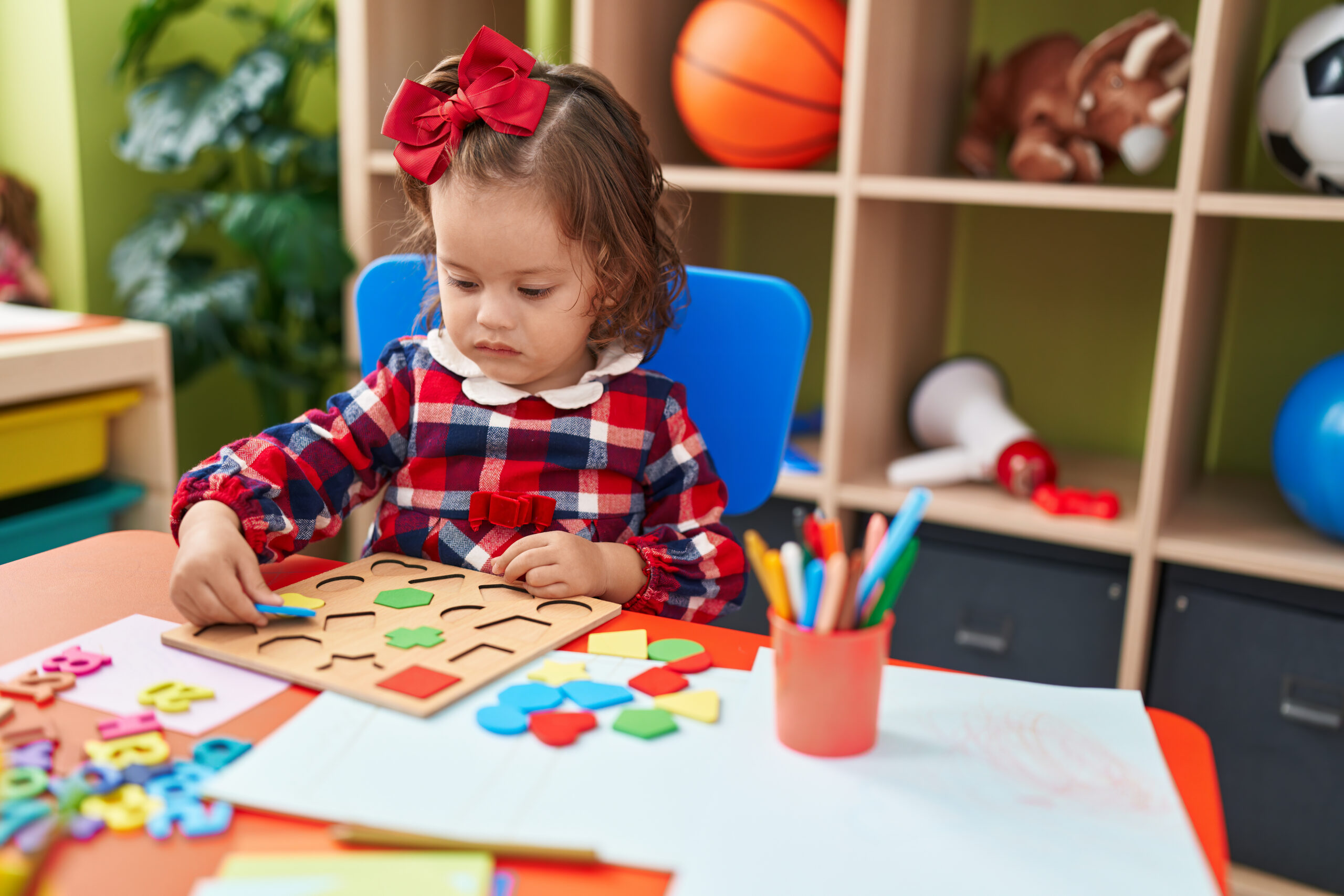
The toddler years are an exciting stage of early childhood development. Children begin to explore their surroundings, develop new communication skills, and become more independent.
Simple learning activities can help toddlers build these skills while keeping them interested and engaged. The best activities do not need to be complicated or expensive. Everyday games, creative projects, movement, and hands-on experiences can become valuable learning opportunities.
For parents and childcare providers, choosing age-appropriate educational activities for toddlers can support early development while making learning enjoyable.
With the right balance of play and structured activities, toddlers can develop important social, emotional, physical, language, and thinking skills.
Why Learning Through Play Matters for Toddlers
Toddlers learn naturally through exploration and play. When children touch, move, sort, build, sing, or talk about something, they are developing skills that prepare them for preschool and future learning.
Play-based activities can help toddlers improve:
- Fine and gross motor skills
- Early language and communication
- Problem-solving abilities
- Social interaction
- Memory and concentration
- Creativity and imagination
- Confidence and independence
Instead of expecting toddlers to sit and complete formal lessons, adults can introduce learning through activities that match their interests and developmental stage.
Simple Educational Activities for Toddlers
1. Sorting and Matching Games
Sorting activities are easy to prepare and can introduce toddlers to colors, shapes, sizes, and basic categories. Give children safe objects such as large blocks, colored cups, or toy animals and ask them to group similar items together.
You can make the activity more engaging by asking questions such as, “Which ones are red?” or “Can you find another big block?” These simple questions encourage children to observe, compare, and communicate.
2. Storytelling and Picture Books
Reading with toddlers is one of the simplest ways to encourage early language development. Choose colorful picture books and allow children to point at objects, identify animals, and repeat familiar words.
Parents and teachers can also ask toddlers what they think will happen next. This encourages listening, memory, imagination, and early comprehension skills.
3. Music and Movement Activities
Songs, dancing, clapping, and simple movement games can make learning active and enjoyable. Children can learn basic concepts such as numbers, body parts, directions, and rhythms through songs.
For example, a song that asks children to clap, jump, or turn around can support coordination while introducing new vocabulary.
4. Simple Art Projects
Art activities give toddlers an opportunity to explore colors, textures, and creativity. Finger painting, large crayons, washable markers, and simple collage activities can help develop fine motor skills.
Adults should focus on the process rather than creating a perfect final product. Allowing children to make choices and experiment helps build confidence and independence.
Connecting Toddler Learning to a Pre-K Curriculum
Good early learning programs gradually introduce skills that children will need as they move toward preschool and kindergarten. A thoughtfully designed Pre-K curriculum can build on the experiences children have during their toddler years.
For example, sorting games can introduce early math concepts, storytelling can support literacy, and group activities can help children learn cooperation. These skills can later become part of more structured classroom learning.
A strong curriculum should also recognize that young children develop at different rates. Activities should be flexible enough to encourage participation without putting unnecessary pressure on children.
Creating a Positive Early Learning Environment
The environment where children learn can be just as important as the activities themselves. A safe, welcoming space with age-appropriate books, toys, art materials, and learning resources encourages children to explore independently.
Teachers and caregivers can also create small learning stations where toddlers can choose different activities. One area might include books, while another could provide building blocks, puzzles, or creative materials.
Positive encouragement is important as well. Simple phrases such as “Great effort,” “You found it,” or “Let’s try together” can help toddlers feel confident while learning something new.
Choosing the Right Childcare Program
Parents looking for childcare should consider how a center supports children’s development beyond basic supervision. Ask about classroom activities, teacher interaction, safety practices, learning resources, and how the program prepares children for future education.
At Harvest Child and Youth Development Center, families can explore an early learning environment designed to support children’s growth and development. The focus on meaningful experiences can help children build skills through age-appropriate learning and play.
Conclusion
The best educational activities for toddlers are often simple, interactive, and connected to everyday experiences. Sorting objects, reading stories, creating art, singing songs, and exploring through play can help children develop important skills while enjoying the learning process.
Parents and caregivers can make a meaningful difference by providing children with opportunities to explore, ask questions, communicate, and try new things.
With supportive early learning experiences and a well-planned Pre-K curriculum, toddlers can develop a strong foundation for their next stage of education.
For families looking for a supportive early childhood education environment, learn more about Harvest Child and Youth Development Center and its early learning programs at
